
Capacity for advanced gene therapy trials in Manchester to increase thanks to capital funding award
Brand new investment in leading pharmacy equipment is set to drive forward advanced clinical trials taking place in Manchester thanks to £360,000 of funding awarded by the National Institute for Health and Care Research (NIHR) to Manchester University NHS Foundation Trust (MFT).
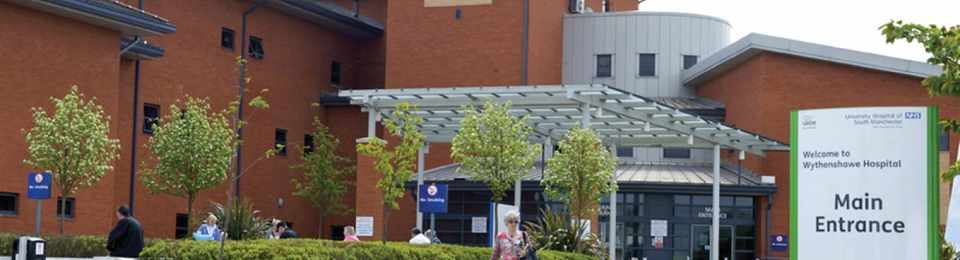
The capital funding will be used to refurbish the Aseptic Unit in the pharmacy at Wythenshawe Hospital which is part of MFT.
Aseptic Units are controlled environments where injectable medicines including antibiotics, chemotherapy drugs, and cutting-edge gene therapy products are prepared. The funding will pave the way for the installation of five Grade A isolators for this unit, replacing outdated equipment currently in use.
Dr Beatriz Duran, Consultant Pharmacist in clinical trials and Advanced Therapy Medicinal Products at MFT, hailed the potential of this investment:
This investment is fantastic news which will enable us to carry out more ground-breaking clinical trials here in Manchester, including research into revolutionary gene therapy treatments.
“This equipment will also enable us to expand our research into haematology, rare diseases, heart diseases and respiratory conditions helping to development new treatments that support people across Greater Manchester and beyond.”
This new equipment will also help MFT to deliver more complex trials and deepen partnerships with commercial companies by increasing throughput by 20% and increase the speed of trial set-up and delivery.
Dr Sohail Munshi, Joint Chief Medical Officer at MFT, said:
“We are delighted to receive this funding to modernise and increase the capacity of our Aseptic Units at Wythenshawe Hospital. This development will enable us to expand our research and reduce the time these trials take.
Aseptic Units are vital spaces for conducting cutting-edge research in a variety of areas, and this development at Wythenshawe Hospital will provide more opportunities for people in the local community to participate in ground-breaking research.
The award is funded by a partnership between the government and the pharmaceutical industry, called the Voluntary Branded Medicines Pricing, Access and Growth (VPAG) Investment Programme.
The VPAG programme is designed to boost the global competitiveness of the UK life sciences sector and stimulate economic growth by accelerating commercial clinical trials, boosting NHS research capacity, and supporting sustainable, innovative medicine manufacturing.
Professor Lucy Chappell, Chief Scientific Adviser at the Department of Health and Social Care (DHSC) and Chief Executive Officer of the NIHR said:
This significant investment will provide the NHS with the high-quality equipment and facilities it needs to deliver cutting-edge commercial research that benefits the public.
“With more than half of the funding this time going to primary care providers, the NIHR is once again showing its commitment to shifting research out of hospitals and into local communities, giving patients direct access to innovative treatments, and making it easier for everyone to take part in research.
“This helps to make research more equitable, enhances the UK’s reputation for delivering world-class commercial research, and helps position the country as an attractive place for companies to invest.”
Now in its third successful year, the NIHR’s Capital Investment Funding competition expanded its scope this time. Eligibility extended beyond NHS Trusts to include all non-commercial NHS providers, with a focus on addressing bottlenecks in research delivery and ensuring organisations across diverse settings are equipped to meet the needs of industry.
As well as providing cutting-edge equipment, the funding will also modernise research spaces through building refurbishments and new modular facilities.